01Different users, different needs
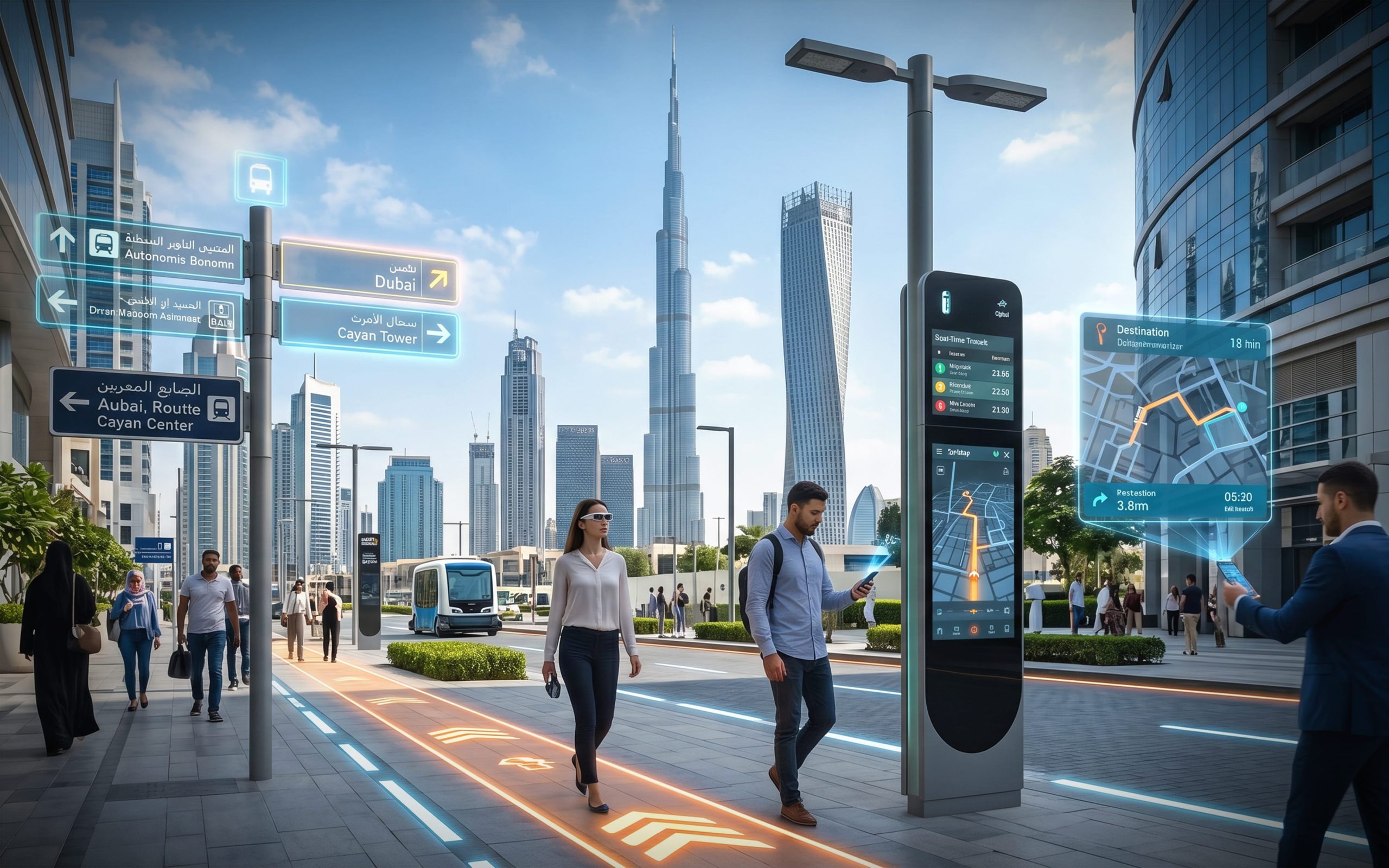
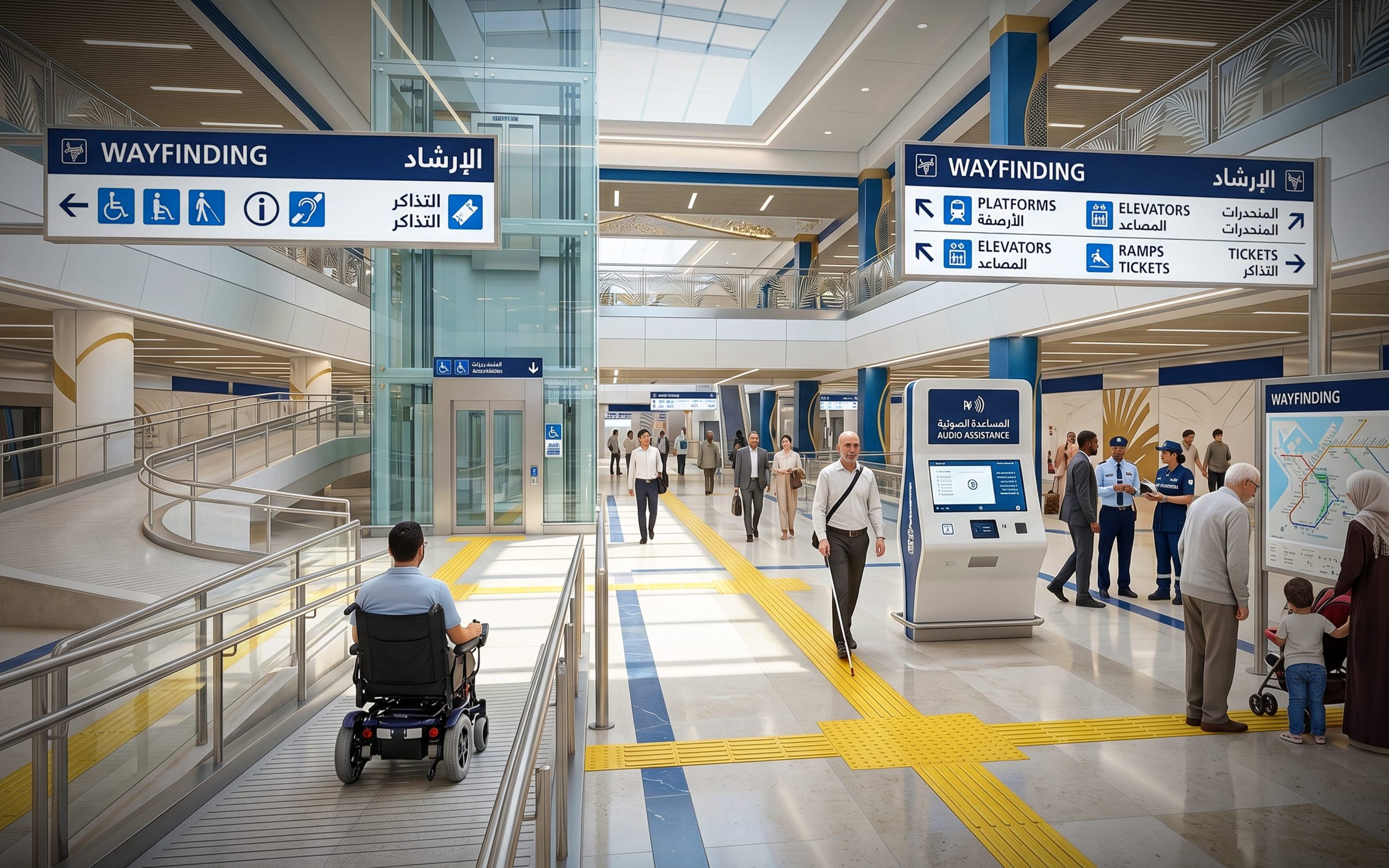
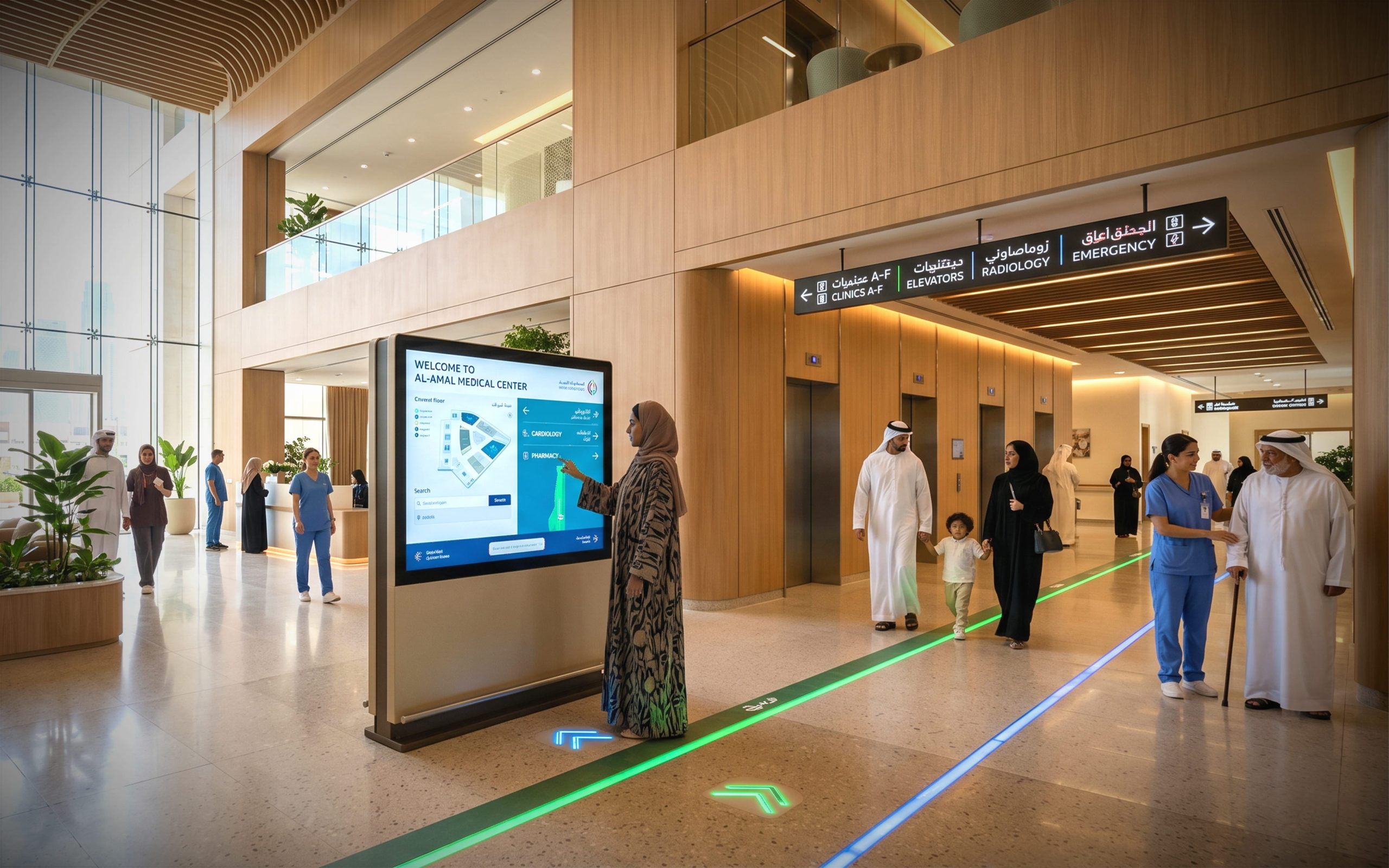
A single development may serve residents, shoppers, office workers, hotel guests and delivery teams, each arriving by different routes with different expectations. A resident knows the place and wants to move quickly. A first-time visitor wants reassurance and orientation. Planning begins by understanding who arrives where, and what they need to know when they get there.
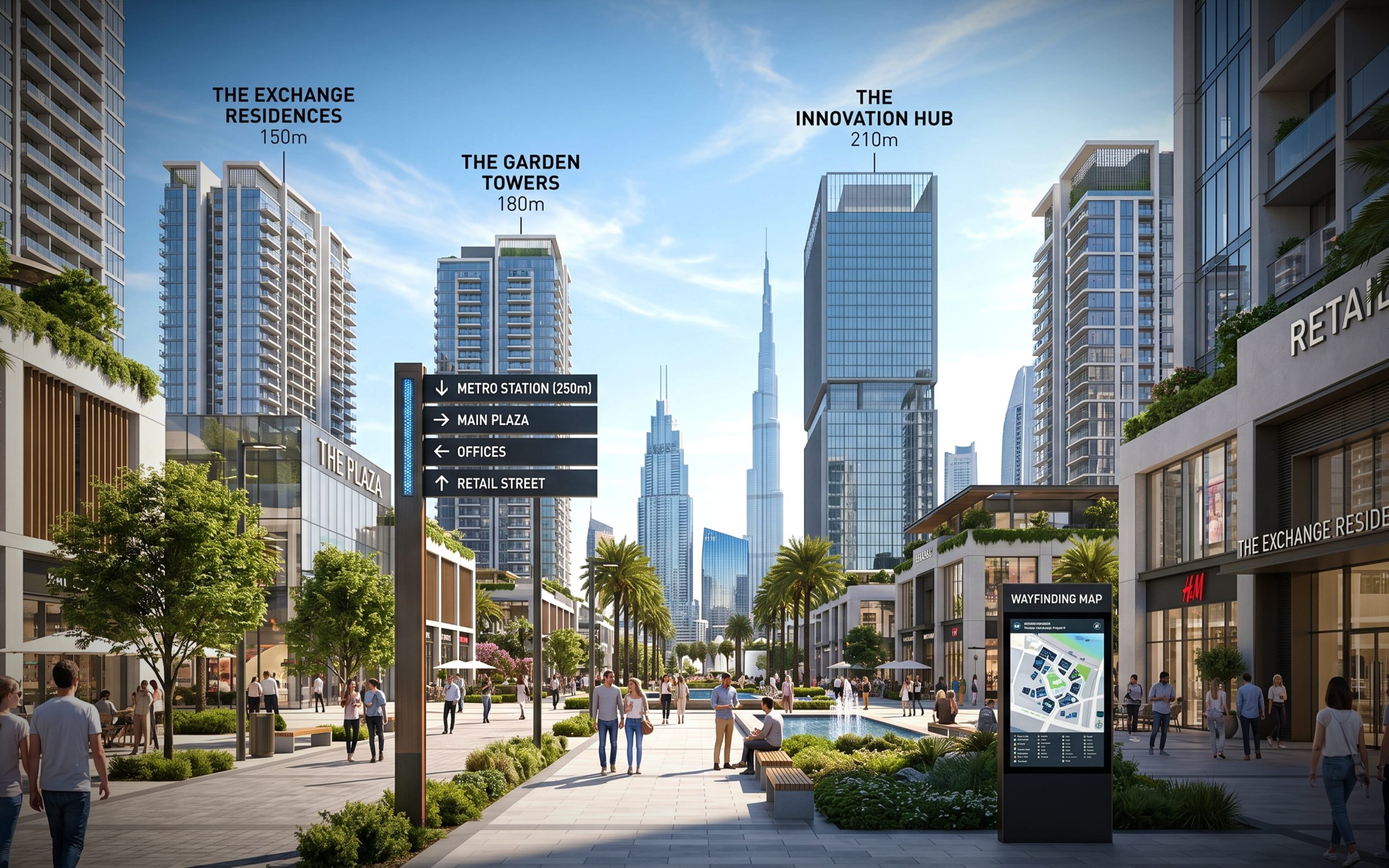
Delivery vehicles, parking for residents, retail frontage and office entrances all need their own routes and their own information, and conflicts between them are better resolved in the plan than on the street.
02One coherent system
A shared structure keeps the whole readable: consistent naming, a common visual language and a clear hierarchy between site-wide, zone and building information. Individual uses can still express their own identity, within a framework that keeps primary navigation consistent.
03Planning for phases and change
Mixed-use developments are often completed in phases, and tenants change over time. A good plan leaves room for growth, sets clear rules for tenant signage, and separates information that changes often from information that should stay stable. That keeps the system coherent long after the first phase opens.